Skip to content
Villa Bizzarria
← The Garden of Bizzarrie
Maxima citron
The citrus collection04 / 18
Citron

Maxima citron

Citrus medica ‘Maxima’

The wonder of scale

Fruit
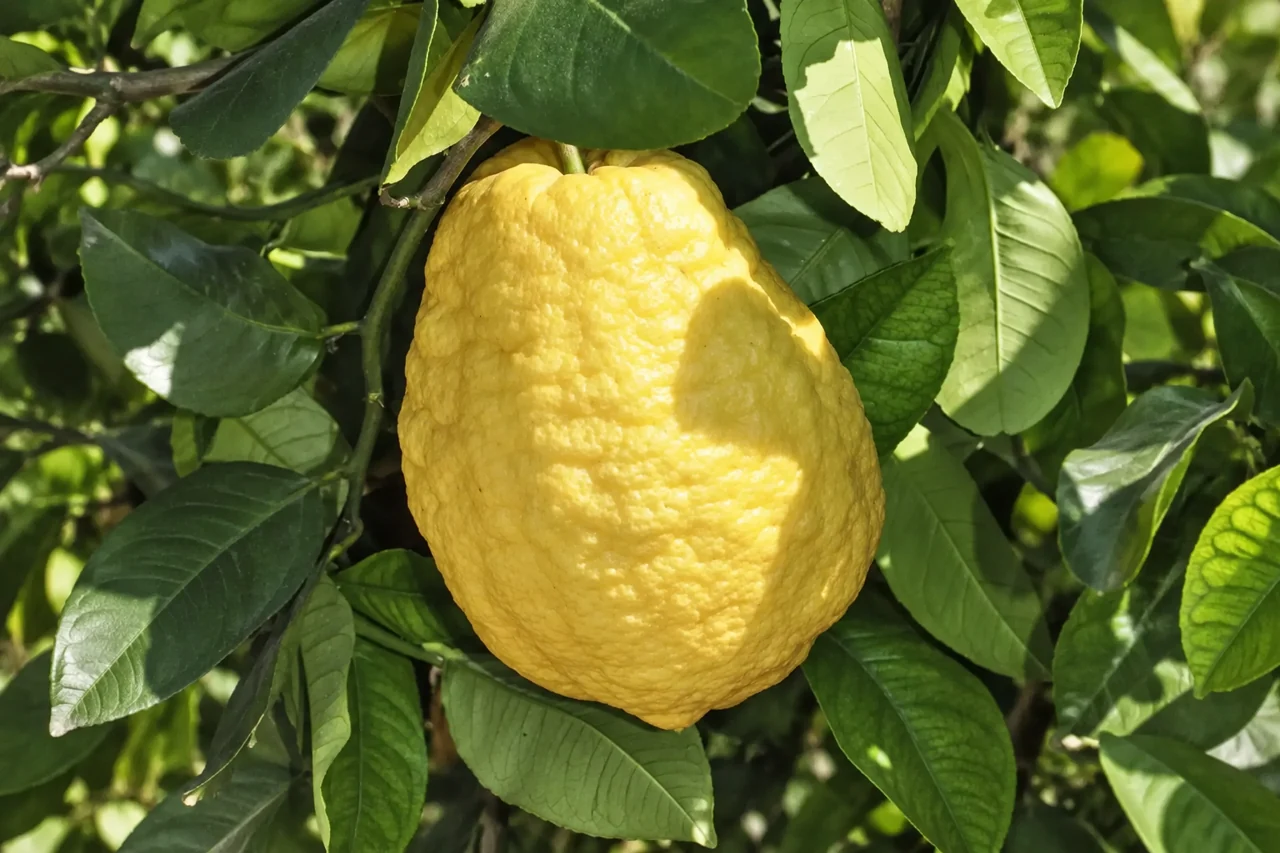
Very large
Rind
Thick
Use
Candying
A living collection

Meet the tree

Maxima is a citron selected for the impressive scale of its fruit. It belongs to Citrus medica, a species with a native range extending from the Himalayas towards Myanmar and a long history of cultivation beyond Asia.

The plant has a spreading, irregular habit, strong branches and conspicuous thorns. Its evergreen leaves are oval to lance-shaped and aromatic. Scented flowers appear chiefly in spring, with further flowering possible in favourable conditions.

Continue reading

The villa document describes very large, variably shaped fruit with a thick rind that turns from green to yellow. Size differs between specimens and growing conditions; the rind accounts for much of the fruit’s bulk.

Flesh is relatively limited compared with the peel. The scented rind is the principal culinary attraction, particularly for candying and preserves. Maxima’s monumental appearance is also central to its ornamental value.

A citrus journey

Himalayas to Myanmar

Native region of Citrus medica. It does not identify the undocumented location where ‘Maxima’ was selected.

The rhythm of the year

Observe in the garden

JanFebMarAprMayJunJulAugSepOctNovDec

Harvest months not yet established

The collection notes describe spring blossom and possible autumn flowering, without a defined harvest window.

Weather, flowering and cultivation can shift these periods.

Here, in the garden

Look closely

Compare the fruit’s volume with the leaves. In citrons the rind takes centre stage: a large fruit does not necessarily contain much juice.

Sources & botanical notes

Adapted from the Villa Bizzarria citrus collection document, with botanical checks and the references below. Seasonal windows are reference observations, not a guarantee of ripe fruit at the villa.

Map: Natural Earth · simplified, indicative markers. Updated: 22.09.2026.